Introduction: Why You Should Explore Beyond the Big Two
So, you’ve conquered the neon lights of Myeongdong in Seoul and feasted on fresh seafood at Jagalchi Market in Busan. Now what? While these two giants offer incredible experiences, the “real” Korea often hides in the quiet corners of the peninsula. Many travelers hesitate to venture further due to language barriers or complex transportation, but in 2026, South Korea is more accessible than ever. Whether you are a history buff, a K-Drama fan, or a nature enthusiast, stepping off the beaten path is where the magic happens.
This guide is designed to solve your travel anxiety. We have analyzed the latest 2025-2026 visitor data to bring you five cities that offer high foreigner-friendliness, stunning aesthetics, and ease of access via the KTX (Korea Train Express). Forget the crowds; let’s dive into the hidden gems of Korea (한국의 숨은 명소).
Quick Summary: Top 5 Hidden Gems at a Glance
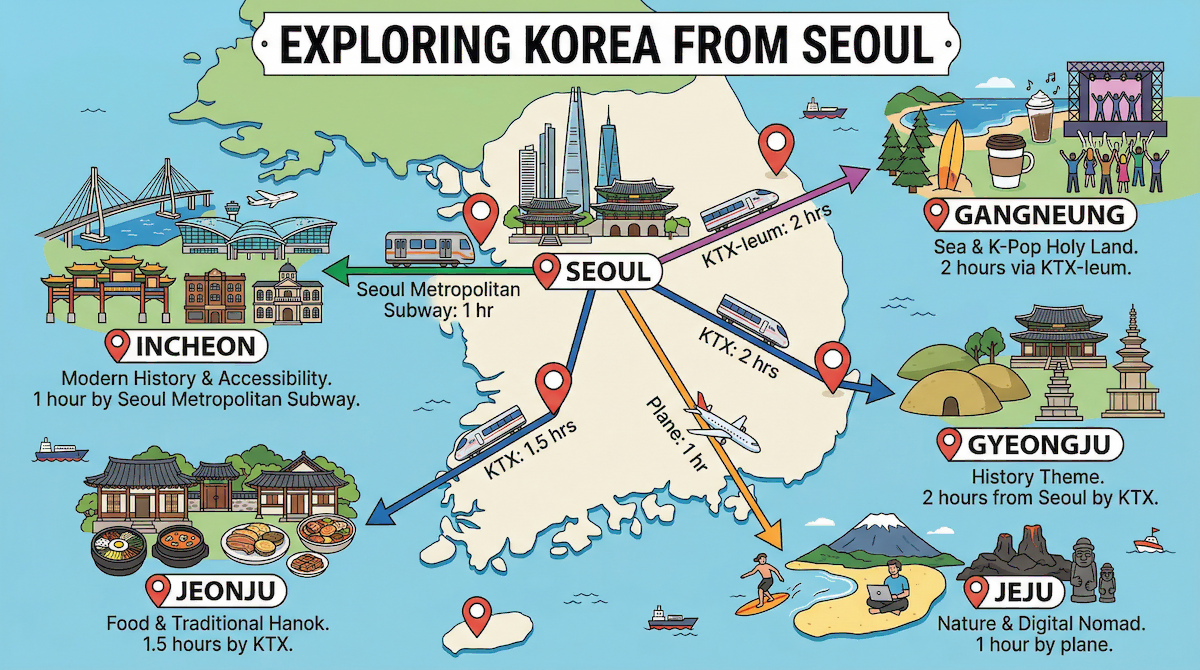
- Gyeongju (경주): Best for History. 2 hours from Seoul via KTX. Estimated daily budget: $70-100.
- Jeju Island (제주도): Best for Nature & Digital Nomads. 1 hour flight. Estimated daily budget: $100-150.
- Jeonju (전주): Best for Food & Tradition. 1.5 hours via KTX. Estimated daily budget: $60-90.
- Incheon (인천): Best for Modern History & Ease of Access. 1 hour via Subway/Taxi. Estimated daily budget: $50-80.
- Gangneung (강릉): Best for Beaches & K-Pop Culture. 2 hours via KTX-Eum. Estimated daily budget: $70-110.
1. Gyeongju (경주): The Golden City of Silla
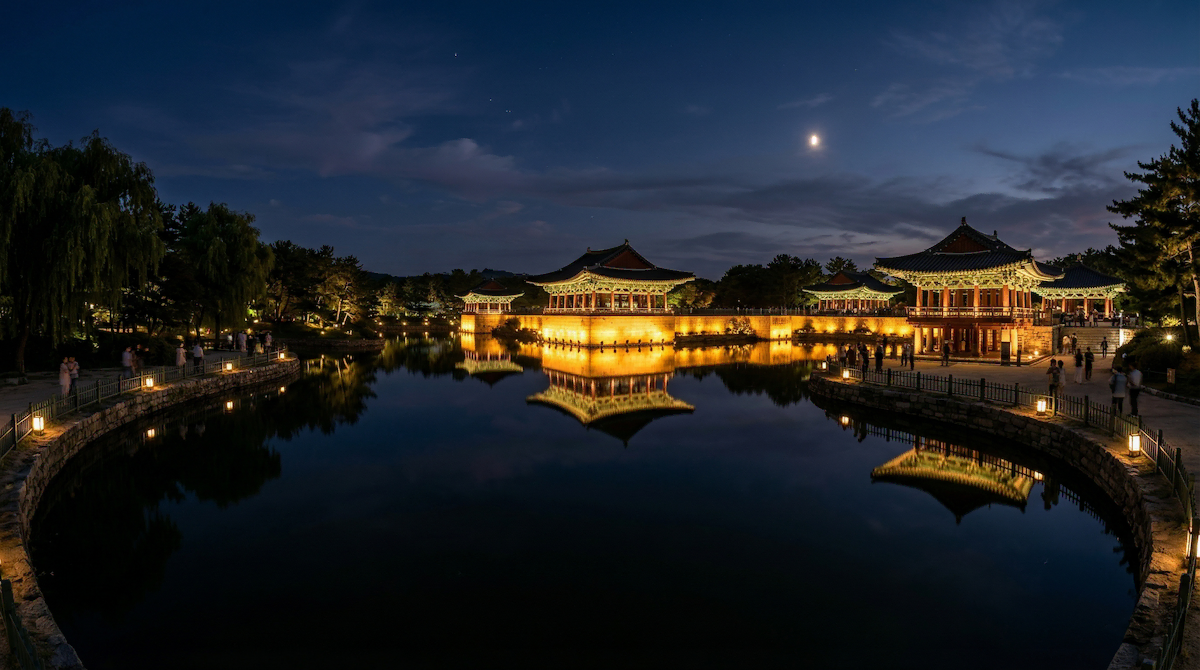
Often referred to as the “Museum Without Walls,” Gyeongju was the capital of the Silla Kingdom for nearly 1,000 years. Unlike the skyscraper-heavy Seoul, Gyeongju maintains a low-rise skyline dotted with massive ancient burial mounds (Tumuli). For foreigners, the Hwangridan-gil (황리단길) area is a must-visit; it is a trendy street where traditional Hanok buildings have been converted into chic cafes and craft shops. It perfectly balances ancient UNESCO World Heritage sites with modern Instagrammable aesthetics.
2. Jeju Island (제주도): The Volcanic Paradise
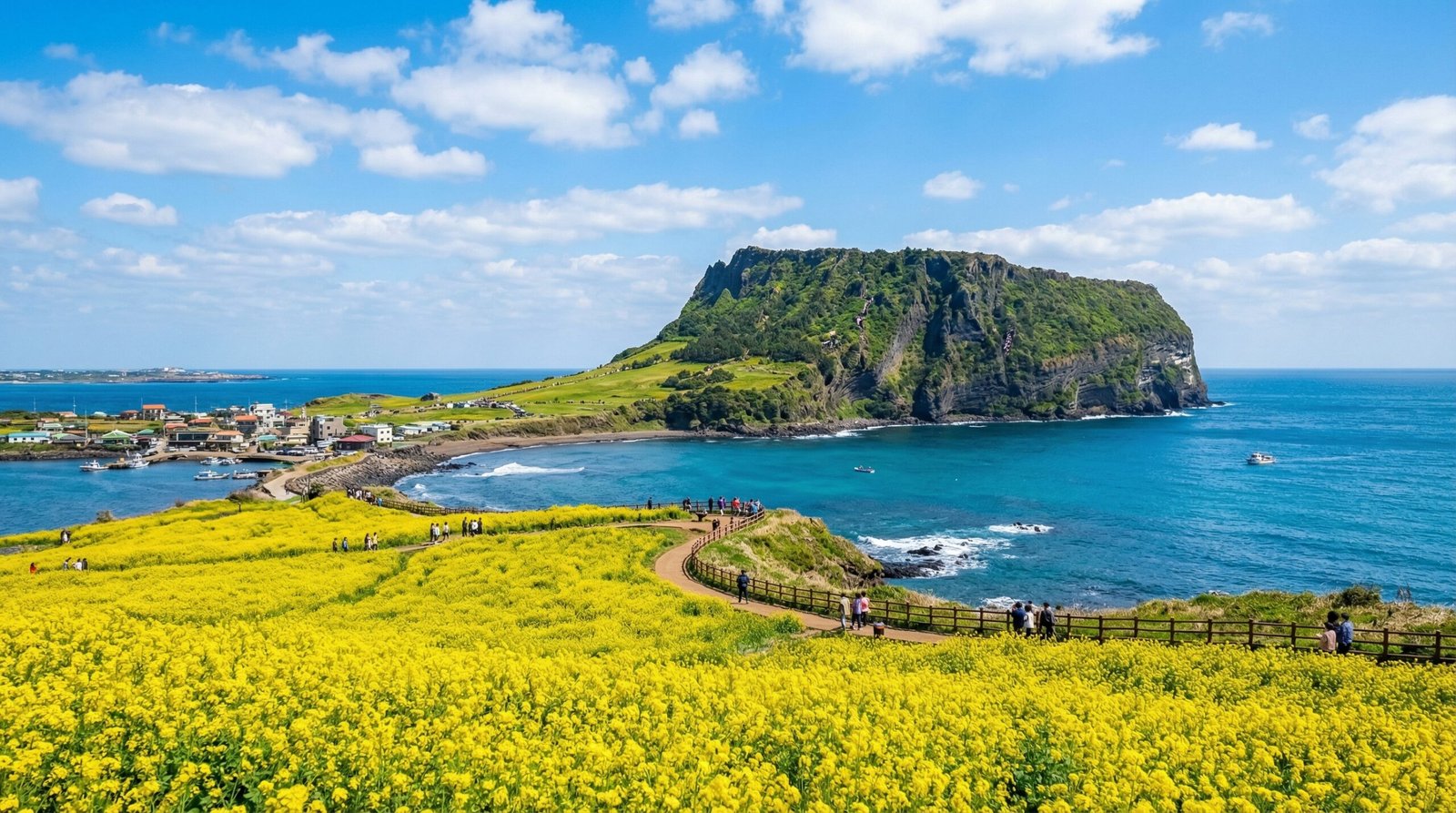
If you need a break from the urban hustle, Jeju is your sanctuary. As a UNESCO World Natural Heritage site, it offers breathtaking volcanic landscapes like Seongsan Ilchulbong (성산일출봉). In 2026, Jeju has become a hub for digital nomads, offering “Workation” centers that combine high-speed internet with ocean views. Pro-tip: Renting a car is the best way to see the island, but for those who don’t drive, the “Jeju Island City Tour Bus” covers major foreign-friendly spots effectively.
3. Jeonju (전주): The Soul Food Capital
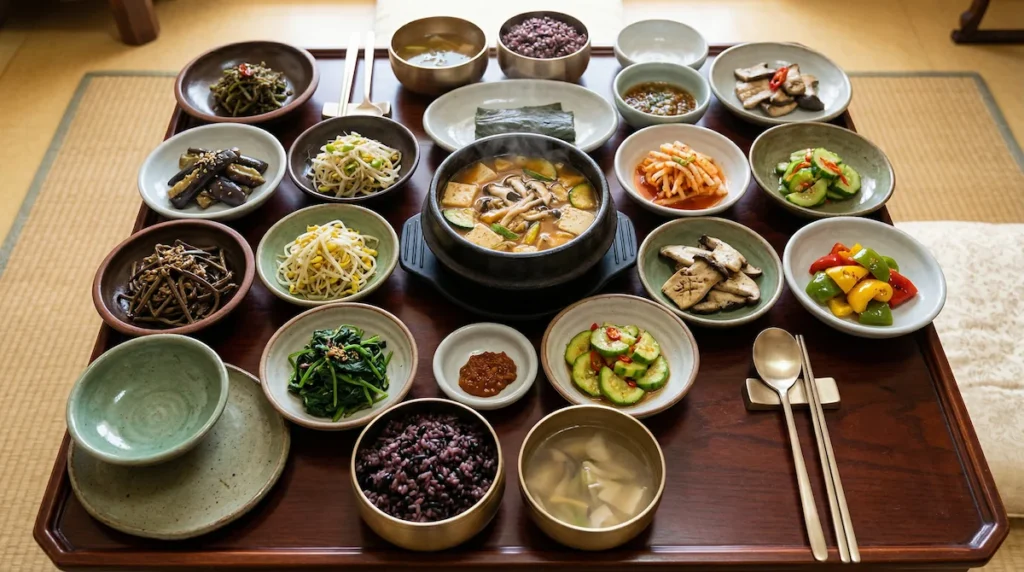
Jeonju is the spiritual home of Bibimbap (비빔밥). The Jeonju Hanok Village (전주한옥마을) houses over 800 traditional houses, making it the largest concentrated Hanok district in Korea. For an immersive experience, we highly recommend booking a “Hanok Stay.” Sleeping on the Ondol (heated floor) provides a cultural connection you simply can’t get in a standard hotel. Don’t forget to try the “Makgeolli Table,” where a parade of side dishes comes free with your rice wine.
4. Incheon (인천): More Than Just an Airport
Most travelers see Incheon from an airplane window, but the city itself is a fascinating blend of history and futurism. Open Port (개항장) area takes you back to the late 19th century with Japanese and Chinese colonial architecture. Contrast this with Songdo Central Park (송도 센트럴파크), a “Smart City” with futuristic skyscrapers and a man-made canal where you can ride water taxis. It’s the perfect day trip destination from Seoul.
5. Gangneung (강릉): Coffee, K-Pop, and the Blue East Sea
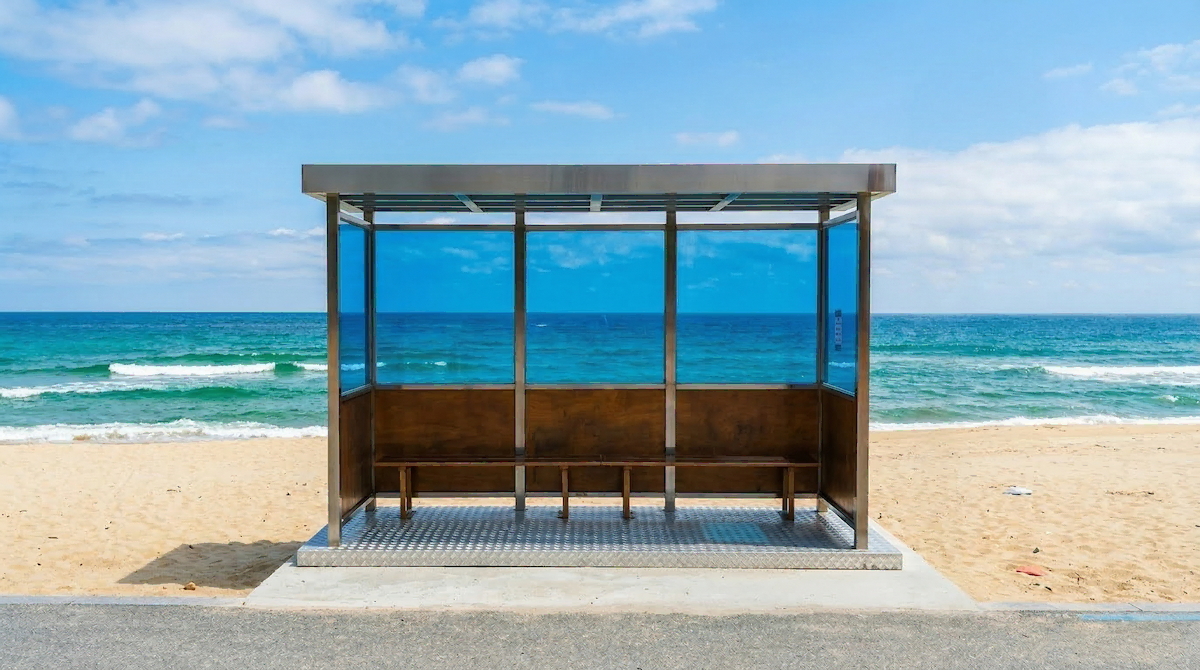
Since the launch of the KTX-Eum, Gangneung has become a favorite for those seeking the “East Sea (동해)” vibe. It is world-famous among ARMYs for the BTS Bus Stop at Jumunjin Beach. Beyond K-Pop, Gangneung is Korea’s coffee capital. The Anmok Coffee Street offers dozens of unique roasteries overlooking the white sandy beaches. It is the best place to witness the sunrise in Korea.
Step-by-Step: How to Travel Like a Local Pro
Step 1: Master the KTX Booking
Download the ‘Korail Talk’ app and switch the language to English. For foreign travelers, the **KR PASS** is a lifesaver, allowing unlimited rides for a set period. Book your tickets at least 2 weeks in advance for weekends!
Step 2: Ditch Google Maps for Naver Map
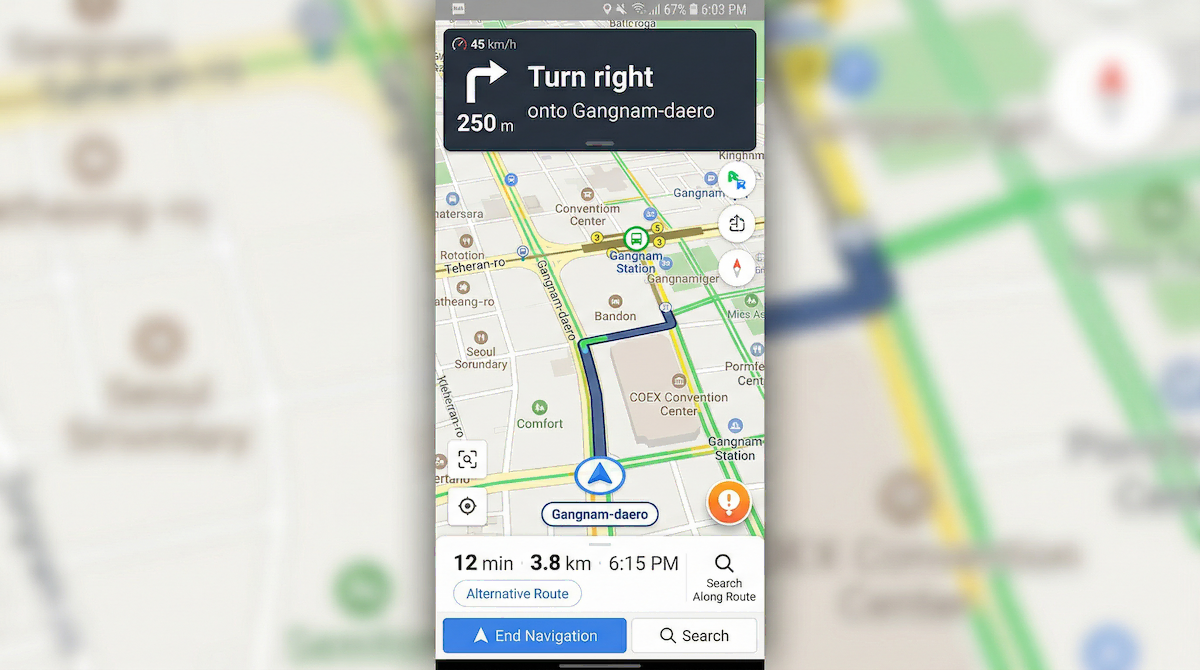
Google Maps does not provide walking or driving directions in Korea accurately due to security laws. Download Naver Map (네이버 지도) or KakaoMap. They support English and provide real-time bus arrival data which is essential for provincial travel.
Step 3: Carry a T-Money Card
Even in small cities, the T-Money card is the universal currency for buses and subways. You can buy and recharge them at any 7-Eleven, CU, or GS25 convenience store.
Step 4: Use “Papago” for Translation
While English signs are common, menus in local towns might be in Korean only. Use the Papago (파파고) app’s image translation feature to read menus and signs instantly with high accuracy.
Essential Tips & Alternatives
- Best Time to Visit: Mid-April for Cherry Blossoms or Late October for Autumn Foliage.
- Alternative Destination: If Gyeongju is too crowded, try Andong (안동) for a deeper, quieter traditional experience.
- Solo Dining: Look for “Gimbap Cheonguk” (Gimbap Heaven) or modern cafes if you are worried about 1-person meal restrictions in traditional BBQ places.
- Connectivity: Pick up an eSIM or Portable Wi-Fi at Incheon Airport. Provincial Wi-Fi is good, but having your own data is crucial for navigation.
FAQ: Frequently Asked Questions
Q: Is it safe for solo female travelers to visit provincial cities?
A: Absolutely. South Korea is consistently ranked as one of the safest countries. However, always stick to well-lit areas at night and keep your KakaoMap handy.
Q: Do I need cash for travel outside Seoul?
A: Most places accept international credit cards (Visa/Mastercard). However, small street food stalls or traditional markets might prefer cash or local bank transfers. Keeping 50,000 KRW in cash is a safe bet.
Conclusion: Your Korean Adventure Awaits
Breaking out of the Seoul-Busan bubble is the best decision you will make for your Korea trip. From the ancient tombs of Gyeongju to the trendy beaches of Gangneung, these five cities offer a soul-stirring look into the heart of the country. Ready to start your journey?