
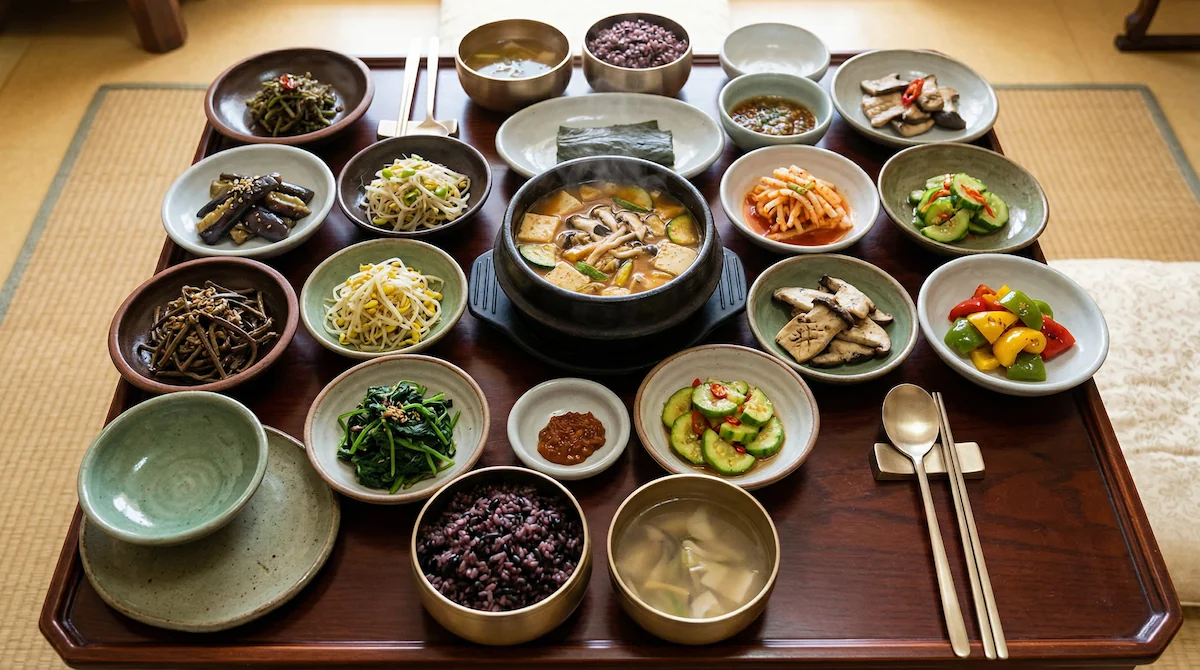
Traveling to South Korea as a vegetarian or vegan can feel like navigating a culinary minefield. While the country is famous for its vibrant vegetable side dishes, the reality is that meat and seafood derivatives—like fish sauce (Aekjeot) and anchovy stock (Myeolchi-yuksu)—are hidden in almost everything. You might find yourself staring at a beautiful bowl of Bibimbap, wondering if the gochujang contains shrimp paste or if the soup was boiled with beef bones. This guide is designed to remove that anxiety. Whether you are a strict vegan or a flexible vegetarian, we provide the ultimate roadmap to enjoying authentic Korean flavors without compromising your lifestyle.
Quick Summary for Travelers
- Difficulty: Moderate to High (Hidden ingredients are the main challenge).
- Best Safe Bet: Temple Food (Sachal-eumsik) is 100% vegan-friendly by default.
- Key Phrase: “Gogi-ppaeryeojuseyo” (Please remove the meat).
- Top Dish: Bibimbap (Ask for no egg/meat) and Japchae (Check for meat).
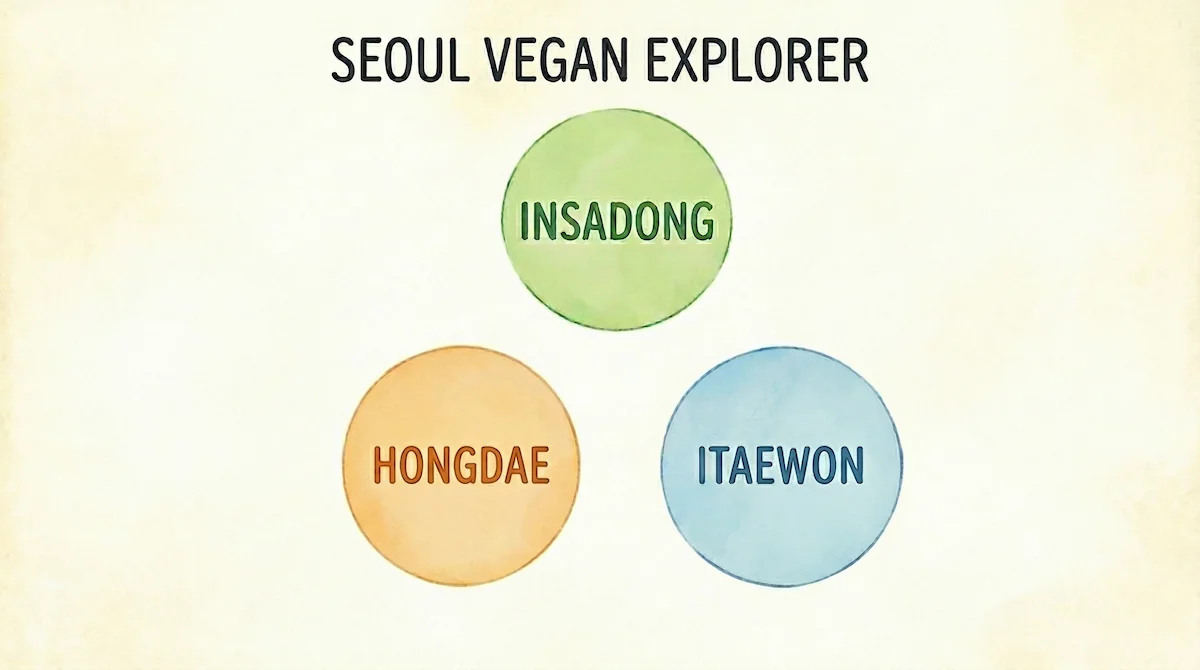
- Top Areas: Insadong and Itaewon in Seoul offer the most diverse vegan options.
The Reality of Vegetarianism in Korea: Why It’s Tricky
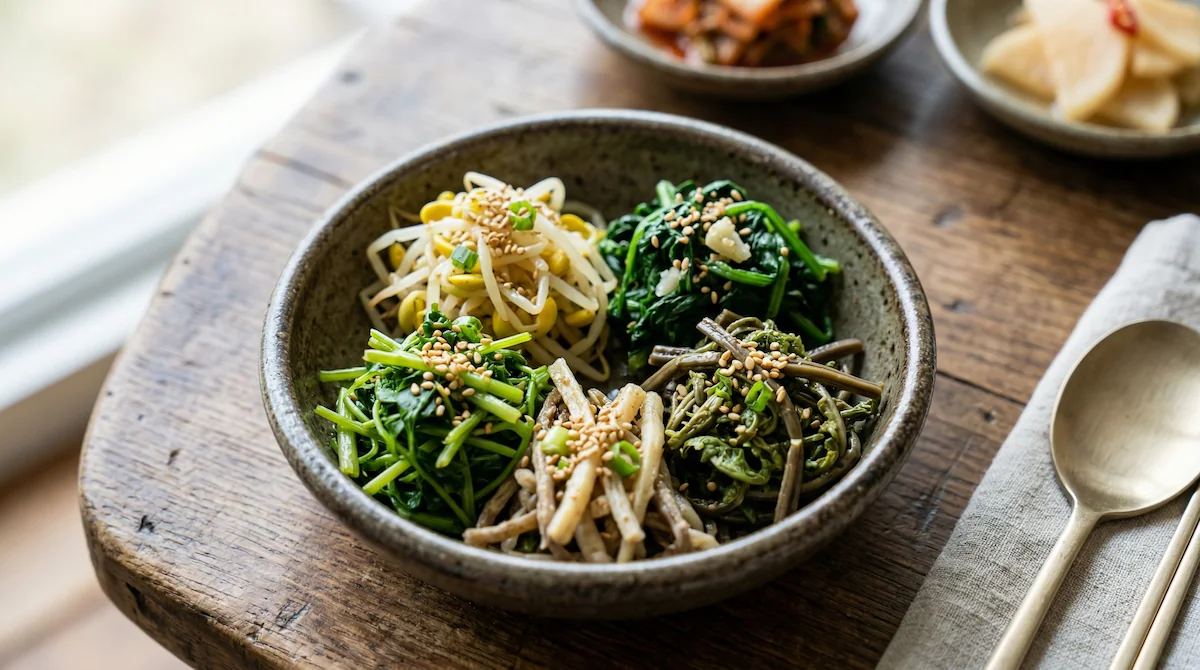
Historically, Korean cuisine was heavily plant-based, rooted in Buddhist traditions and agricultural necessity. However, modern Korean food culture revolves around “Gogi” (meat) and “Haemul” (seafood). The biggest challenge for plant-based travelers isn’t the absence of vegetables; it’s the “hidden” non-vegetarian ingredients used as seasoning. For instance, most Kimchi contains fermented fish sauce or salted shrimp. Many stews that look like simple tofu soup are actually based on a concentrated dried anchovy or beef bone broth.
To eat successfully, you must shift your focus from “meatless dishes” to “dishes that can be modified.” Understanding the concept of “Banchan” (side dishes) is also crucial. While most Banchan are vegetable-based, they are often seasoned with fish sauce. Your best strategy is to look for dedicated vegan restaurants or stick to “Temple Food,” which strictly forbids meat, seafood, and even “Five Pungent Herbs” (Osinchae) like garlic and onions, making it the purest form of vegan dining in the world.
Step-by-Step: How to Order Like a Pro
Step 1: Identify “Safe” Base Dishes
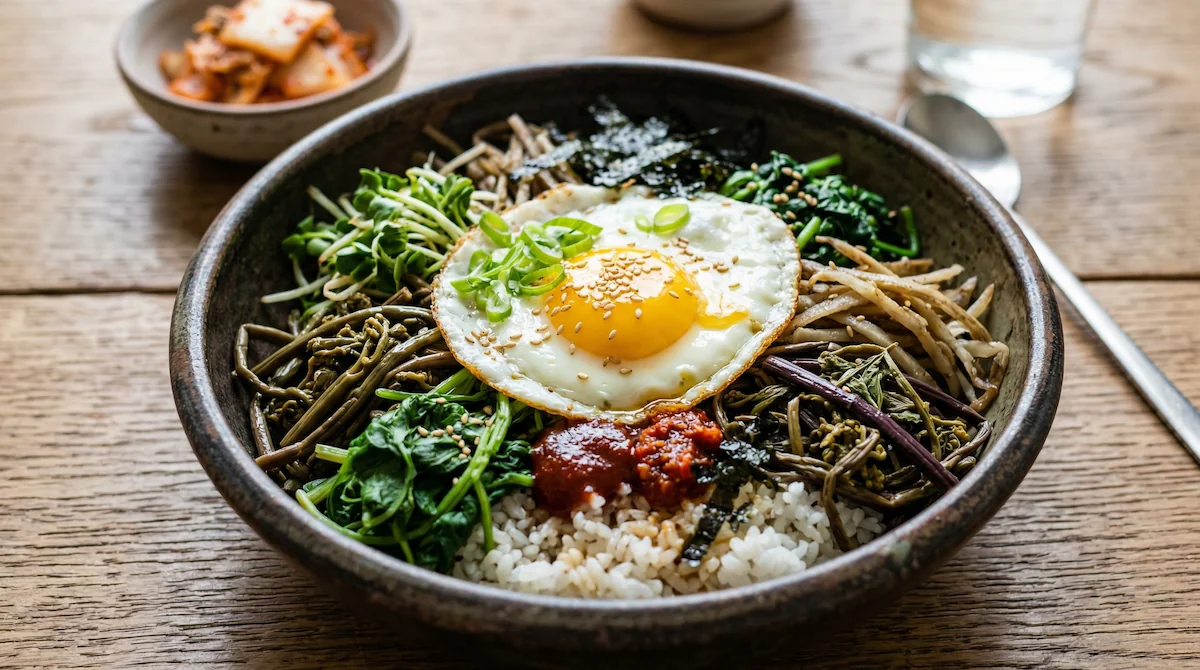
Start by looking for dishes that are naturally vegetable-heavy. Bibimbap (비빔밥) is your primary weapon. Look for “Sanchae Bibimbap” (Mountain vegetable bibimbap), which focuses on wild roots and herbs. Always specify “No egg” (Gyeran-ppaeryeojuseyo) and “No meat” (Gogi-ppaeryeojuseyo) to be safe.
Step 2: Scrutinize the Broth (Gukmul)
When ordering stews like Doenjang-jjigae (된장찌개), ask if it uses anchovy stock (Myeolchi-yuksu). In many local spots, they can’t change the base broth because it’s prepared in a large pot. In this case, opt for dry dishes like Japchae (잡채)—sweet potato glass noodles—but ensure they don’t toss in beef strips at the end.
Step 3: Use a Visual “Vegan Card”
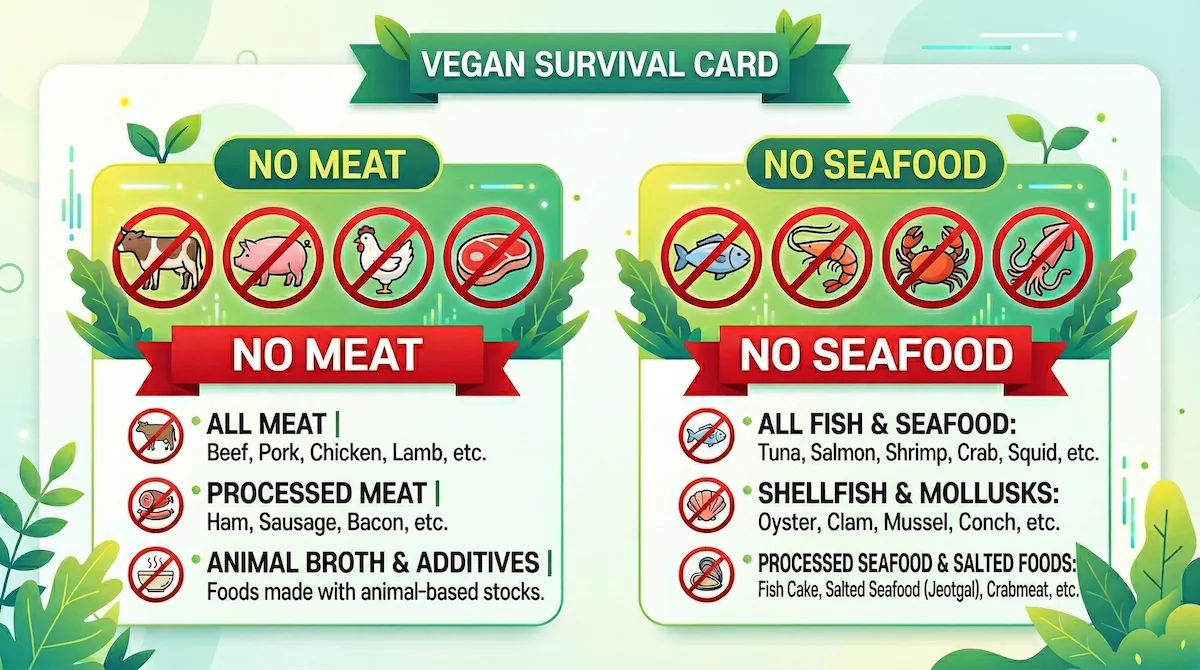
Koreans are helpful, but the language barrier is real. Have a digital or printed “Vegan Card” that lists what you cannot eat (meat, fish, dairy, eggs, honey). Showing this to the server (Imo-nim) is 100% more effective than trying to explain “Veganism” as a concept, which may be misunderstood.
Step 4: Explore Specialized Areas
Head to Insadong (인사동) for traditional tea houses and temple food, or Itaewon (이태원) for modern vegan cafes and international plant-based fusion. Using apps like “HappyCow” or “MangoPlate” with the vegan filter will save you hours of wandering.
Smart Alternatives and Survival Tips
- Temple Food Experience: Visit places like ‘Balwoo Gongyang’ for a Michelin-starred vegan experience. It’s not just a meal; it’s a cultural ritual.
- Street Food Hacks: Most street food is off-limits (hidden lard/fish cake), but Gyeran-ppang (Egg bread) is okay for Lacto-Ovo vegetarians, and Hotteok (Sweet pancake) is usually vegan-friendly (check for honey/milk).
- Convenience Store (Pyeonuijeom) Wins: Look for roasted sweet potatoes, chestnuts, or “Triangle Kimbap” with only seaweed and rice (though fillings are rarely vegan). Banana milk contains dairy!
- Modified BBQ: If you must go to a BBQ place with friends, order Doenjang-jjigae (check broth) and focus on the grilled mushrooms, garlic, and lettuce wraps (Sangchu-ssam).
Frequently Asked Questions (FAQ)
Q: Is Kimchi always vegetarian?
A: No. Most traditional Kimchi is made with fish sauce (Myeolchi-aekjeot) or salted shrimp (Saewoo-jeot). Look for “Vegan Kimchi” labels in supermarkets or ask if it is “Chae-sik Kimchi.”
Q: Can I find vegan options at a regular Korean BBQ restaurant?
A: It is difficult. You can usually only eat the side dishes (Banchan) and rice. Some places offer grilled mushrooms or tofu, but the grill is often contaminated with meat fat. It’s better to choose a dedicated tofu restaurant (Dubu-maeul).
Conclusion: Enjoying the Green Side of Korea
Eating vegetarian in Korea requires a bit of preparation and the right vocabulary, but the rewards are incredible. From the serene flavors of temple food to the spicy kick of modified bibimbap, your taste buds won’t miss out.