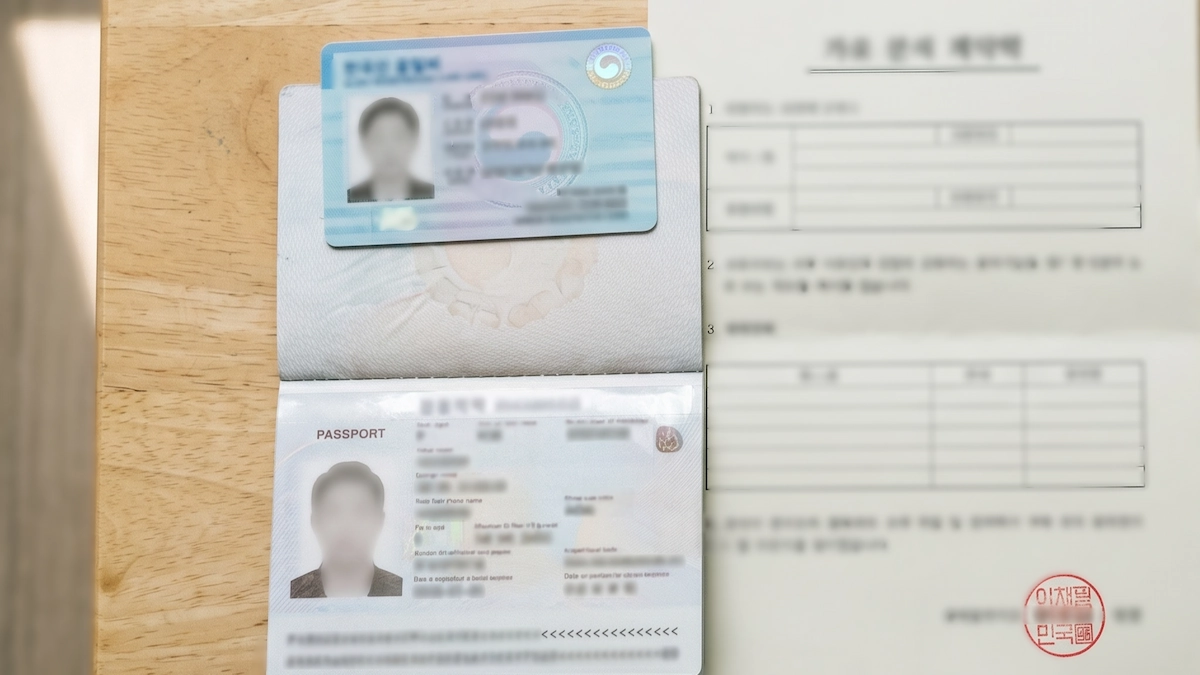

Complete Housing Guide for Foreigners in Korea
Finding a place to call home in a foreign country is one of the most daunting challenges an expat can face. In South Korea, the housing market is unique, characterized by massive deposits and terminology that can leave even the most seasoned traveler confused. Whether you are moving to Seoul for a high-tech job, studies, or a digital nomad lifestyle in 2026, the stakes are high. One wrong signature could mean risking your entire life savings to “Jeonse” scams or hidden maintenance fees (Gwanlibi).
This guide is designed to be your definitive roadmap. We address the language barrier, the complexity of legal filings, and the evolving real estate landscape of 2026. By the end of this article, you will know exactly how to navigate the local apps, verify your landlord’s credibility, and ensure your deposit is legally protected under Korean law. Let’s turn your housing search from a stressful hurdle into a confident step toward your new life in Korea.
Quick Summary: Housing in Korea at a Glance
- The System: Choose between Monthly Rent (Wolse/월세) or a large Lump-sum Deposit (Jeonse/전세).
- Safety First: Never sign without a “Certified Copy of Register” (Deunggibonbon/등기부등본).
- Legal Protection: Get your “Fixed Date” (Hwakjeong-ilja/확정일자) immediately after moving in.
- Top Apps: Zigbang, Dabang, and specialized expat-friendly agencies.
- Estimated Time: Start 4–6 weeks before your move-in date.
Decoding the System: Jeonse, Wolse, and Short-term
In 2026, the Korean rental market remains split into two primary systems, with a growing trend toward hybrid models. Understanding these is crucial for your financial planning. Wolse (월세) is the standard monthly rent system most foreigners are familiar with. It involves a “Key Money” deposit (usually $5,000 to $20,000) and a monthly payment. The higher the deposit you pay, the lower your monthly rent becomes.
Jeonse (전세), on the other hand, is a unique Korean system where you pay a massive lump-sum deposit (often 60-80% of the property’s value) instead of monthly rent. You get the full amount back when you move out. While financially attractive because you “live for free,” Jeonse carries higher risks, especially with “Jeonse scams” where landlords cannot return the deposit. In 2026, we recommend foreigners stick to Wolse or high-deposit Wolse unless they have specialized legal assistance and HUG Deposit Insurance.
For those staying less than a year, Short-term Rentals (Danggi-imdae/단기임대) are becoming more accessible. These often come fully furnished with much lower deposits (usually one month’s rent), though the monthly rate is 20-30% higher than standard contracts. This is ideal for digital nomads or those waiting for a permanent residence.
The 2026 Jeonse Market Update & Safety Precautions
The 2026 market has seen increased government oversight following the “Bill-la King” scams of previous years. Nowadays, most legitimate listings will provide a “Trust Verification” score. Before considering a high-deposit Jeonse, you must check the debt ratio of the building. If the landlord’s mortgage plus the total deposits of all tenants exceed 70% of the building’s market value, you should walk away. Modern expats are now increasingly using Escrow services to hold deposits, a trend that has gained traction to provide peace of mind to the international community.
Top 5 Apps & Websites for Foreigners

1. Zigbang (직방): The most popular app for studios (One-rooms). It offers VR tours and verified listings. Most listings are high-quality, but always check if the “maintenance fee” (Gwanlibi) includes utilities like electricity or gas.
2. Dabang (다방): Similar to Zigbang but often features more diverse listings, including older villas which might be cheaper. It allows for detailed filtering based on deposit range.
3. Naver Real Estate (네이버 부동산): The gold standard for accuracy. While the UI is entirely in Korean, it features the most “real-time” listings directly from licensed realtors (Gongin-junggaesa/공인중개사).
4. Peter Pan’s Good House (피터팬의 좋은방 구하기): Great for finding direct deals with landlords to save on realtor fees, though this requires higher Korean proficiency and caution.
5. Expat-Specific Agencies: Services like ‘Ziptoss’ or specialized Seoul-based foreigner agencies provide English-speaking agents who understand the specific visa requirements for foreigners.
Legal Checklist: Contract to Move-in Report
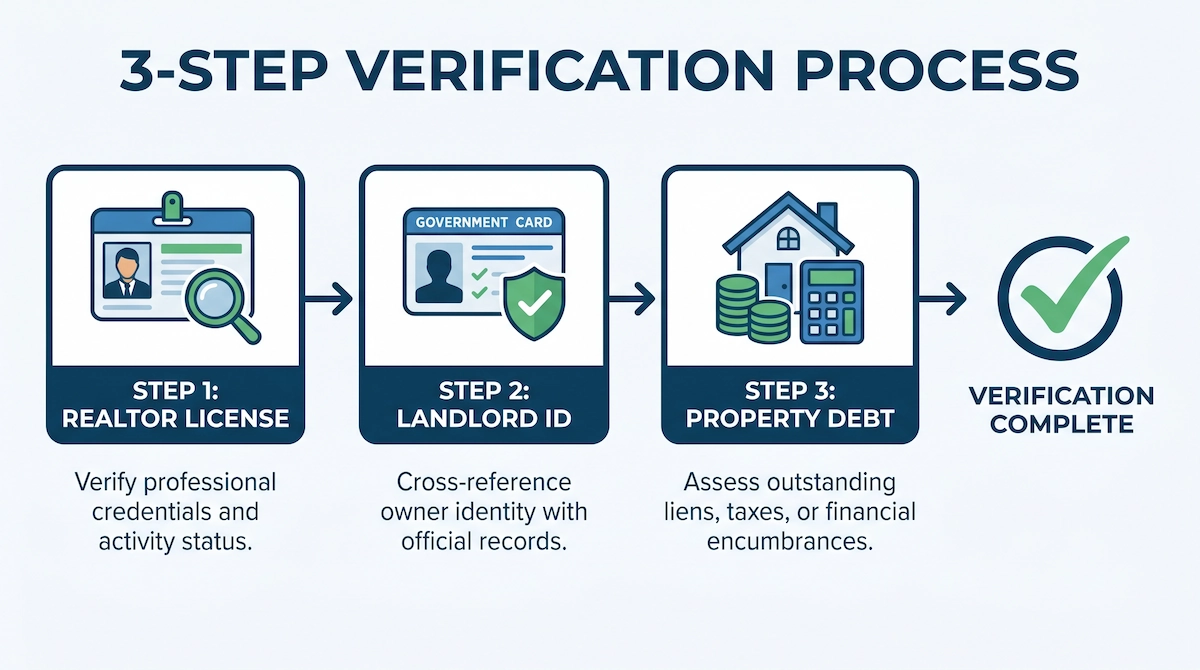
Step 1: Check the Registry (Deunggibonbon)
Go to the Supreme Court Registry Office (iros.go.kr). Check if the person you are talking to is the actual owner (check their ID) and see if there are any outstanding mortgages (geun-jeo-dang) on the property.

Step 2: Negotiate “Gwanlibi” (Maintenance Fees)
Ensure the contract explicitly states what the maintenance fee covers. Does it include internet, water, or parking? In 2026, transparency laws require landlords to break down fees exceeding 100,000 KRW.
Step 3: Signing with a Licensed Realtor
Always sign at a licensed real estate office. They carry insurance (Gong-je) that protects you up to a certain amount if the contract is fraudulent. Ensure you get a copy of their insurance certificate.
Step 4: The Move-in Report (Jeonip-singo)
On the day you move in, visit your local Community Center (Haengjeong-bokji-center) or use gov.kr to report your move. For foreigners, this is often handled during the “Change of Residence” report at the Immigration office or local district office (Gu-cheong).
Step 5: How to get your “Fixed Date” (Hwakjeong-ilja)
This is the most critical step. Getting a Hwakjeong-ilja (확정일자) stamped on your contract gives you “Opposing Power” (Daehangryeok). If the house goes to auction due to the landlord’s debt, you are legally prioritized to get your deposit back.
Alternatives & Tips for Success
If the traditional system feels too risky or expensive, consider these alternatives. Officetels are a mix of office and residential space. They offer high security and modern amenities but usually have higher maintenance fees. Goshitels/Goshiwons are ultra-tiny rooms with no deposit, often used by students or those on a very tight budget.

- Tip 1: Take photos and videos of the room’s condition the moment you step in to avoid “repair fee” disputes later.
- Tip 2: Check the water pressure and drainage in the bathroom and sink before signing.
- Tip 3: Use a currency transfer app for the deposit to save on bank fees, but ensure you have a clear digital receipt.
- Tip 4: Look for “LH-approved” listings; these usually meet higher safety and legal standards.
- Tip 5: Join expat Facebook groups or Discord channels to ask about specific landlords or building reputations.
Frequently Asked Questions (FAQ)
Q1: Can I get my deposit back if I leave Korea early?
A: Legally, the landlord isn’t required to return it until the contract ends. However, you can find a “successor” (new tenant) to take over your lease. Once they sign and pay the deposit, the landlord will return yours. You will likely have to pay the realtor fee for this transaction.
Q2: Is it mandatory to have a Korean phone number to rent?
A: While not strictly a legal requirement, it is practically impossible without one. All Korean apps and banking services require “identity verification” (Bon-in-in-jeung) linked to your phone number and ARC (Alien Registration Card).